

Louise DavisPosted on: 2 September 2026
Positive news for European energy security – but policy decisions likely to determine what comes next, says industry association

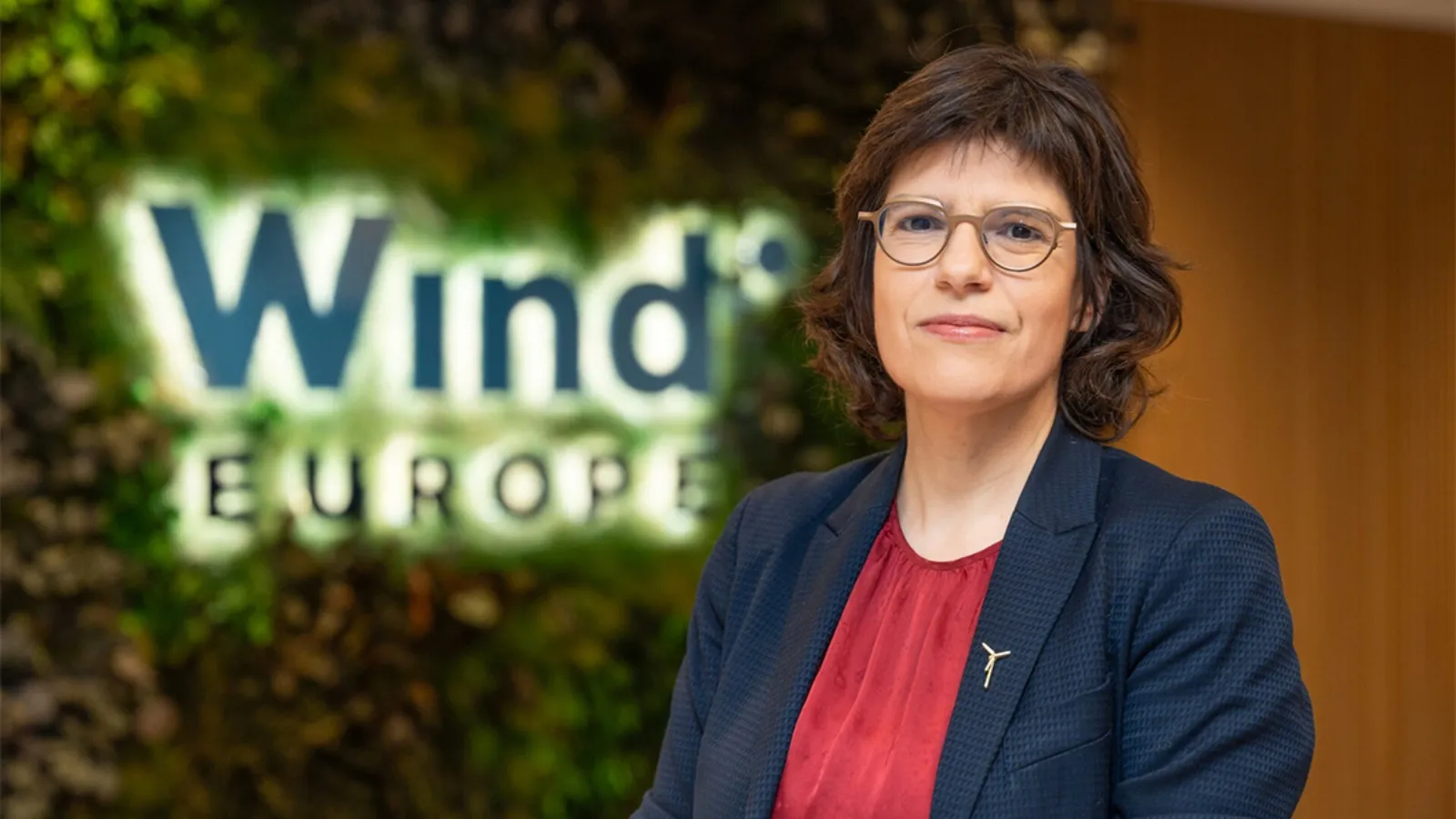
2026 could be the strongest year on record for Europe’s wind industry / Image credit: Wind Europe
Europe’s wind industry is heading towards what could be its strongest year on record, with 8.8GW of new capacity installed during the first half of 2026.
The figure represents a 30% increase on the same period last year and puts the continent on course for a noteworthy acceleration in wind deployment. But despite the fact that installation rates are rising, wind industry experts are warning that continued growth cannot be taken for granted, as structural problems remain.
Industry association WindEurope now expects 24GW of new wind capacity to be installed across Europe during 2026, following strong activity over the summer. If that forecast is achieved, it would be a key step towards the industry’s longer-term ambition of consistently installing around 30GW a year during the 2030s.
The 8.8GW added during the first six months of the year is capable of generating enough electricity to supply around seven million European households. It could also displace fossil fuel imports equivalent to around 25 LNG tanker-loads each year.
Geographical spread
Germany has been the biggest contributor to the expansion so far, accounting for 3.4GW of new installations. Denmark, Poland, Portugal and France also recorded considerable increases, while Ukraine installed more than 400MW despite continuing to operate under wartime conditions.
The investment pipeline is also showing signs of strengthening. According to WindEurope’s autumn report, around €9 billion was invested in new European wind farms during the first half of the year, with the projects due to be built in the years ahead.
Governments are also committing to additional capacity through auctions. More than 17GW of wind projects were awarded in the first six months of 2026, while a further 26GW is expected to be tendered during the second half of the year. If those auctions go ahead as planned, Europe will have awarded more wind capacity in a single year than ever before.
WindEurope forecasts that Europe could reach 436GW of cumulative installed wind capacity by 2030. The EU would account for 342GW of that total, enough to meet an estimated 27% of its electricity demand.
Persistent problems
Despite the good news, the association – which describes itself as “the voice of the wind energy industry” – warns that structural problems persist, with permitting top of the list.
The report heralds Germany as an example of what’s possible when governments implement the EU permitting rules. Germany permitted more than 9GW of new onshore wind in the first 6 months of 2026, meaning it’s on track for another record year.
But the report’s authors point out that Germany is an outlier: permitting volumes were down in Spain, France, the UK, Italy and Ireland.
Commenting on both challenges and positive developments, Tinne Van der Straeten, CEO of WindEurope, said: “2026 may well be a record wind year. But we can’t take that momentum for granted. Just when we need wind the most to boost Europe’s economic resilience, permitting volumes are down in key markets. Government decisions on permitting, auctions, grids and electrification in the coming months will make or break this momentum.”
Take five
The organisation is calling for five key policy changes to support the next stage of deployment.
The first priority is the implementation of EU permitting rules, with the aim of ensuringut being held up by excessive administrative requirements
Grid policy is another focus. WindEurope wants the EU to complete its grids package, plan around a more highly electrified energy system, unlock additional network investment and address existing connection queues.
The organisation is also calling for revenues from the EU Emissions Trading System to be directed towards industrial electrification through mechanisms including the Innovation Fund and Industrial Decarbonisation Bank. The emphasis, it says, should be on sectors that are already technically capable of switching from fossil fuels to electricity.
Have you seen?
New £14 million Orkney wind farm contract awarded
New Ukrainian wind farm secures €100 million financing
And longer-term certainty is being highlighted as a prerequisite for investment. WindEurope wants the EU to establish a binding renewable energy target for 2040, arguing that this would give national governments greater visibility over future capacity requirements while allowing manufacturers and supply chains to prepare for sustained demand.
Auction design is the fifth area where the industry association is seeking greater consistency. WindEurope argues that governments should move away from continually experimenting with different models and instead make greater use of two-sided Contracts for Difference (CfDs).
Together, the industry association believes these five mechanisms can help unlock investment at scale by reducing the cost of capital while providing greater revenue certainty for projects.
Solar, wind, hydro and beyond – discover all the latest news, analysis and innovations from the world of renewables.
Explore the Renewable Energy hub
Related tags
Source: www.enlit.world


